You couldn’t tell the difference with the naked eye. Crystal structure, degree of hardness on the Mohs scale, refractive index, thermal conductivity: even after thorough testing and certification by institutes such as the Gemological Institute of America, natural and laboratory-grown diamonds are absolutely identical. And yet each of the two stones tells their own different and individual story of their origin, which, however, remains hidden. Here, the diamond matured in the depths of the earth beyond all time; there, the diamond grown in a laboratory from a gas mixture, heat and high pressure in just a few weeks. Here, the random size and colouring of a natural resource; there, the targeted cultivation of the target weight and colour in a test tube – boron for blue, nitrogen for yellow, red and pink through structural distortions in the crystal lattice. Eternity has been cloned, with no compromises.
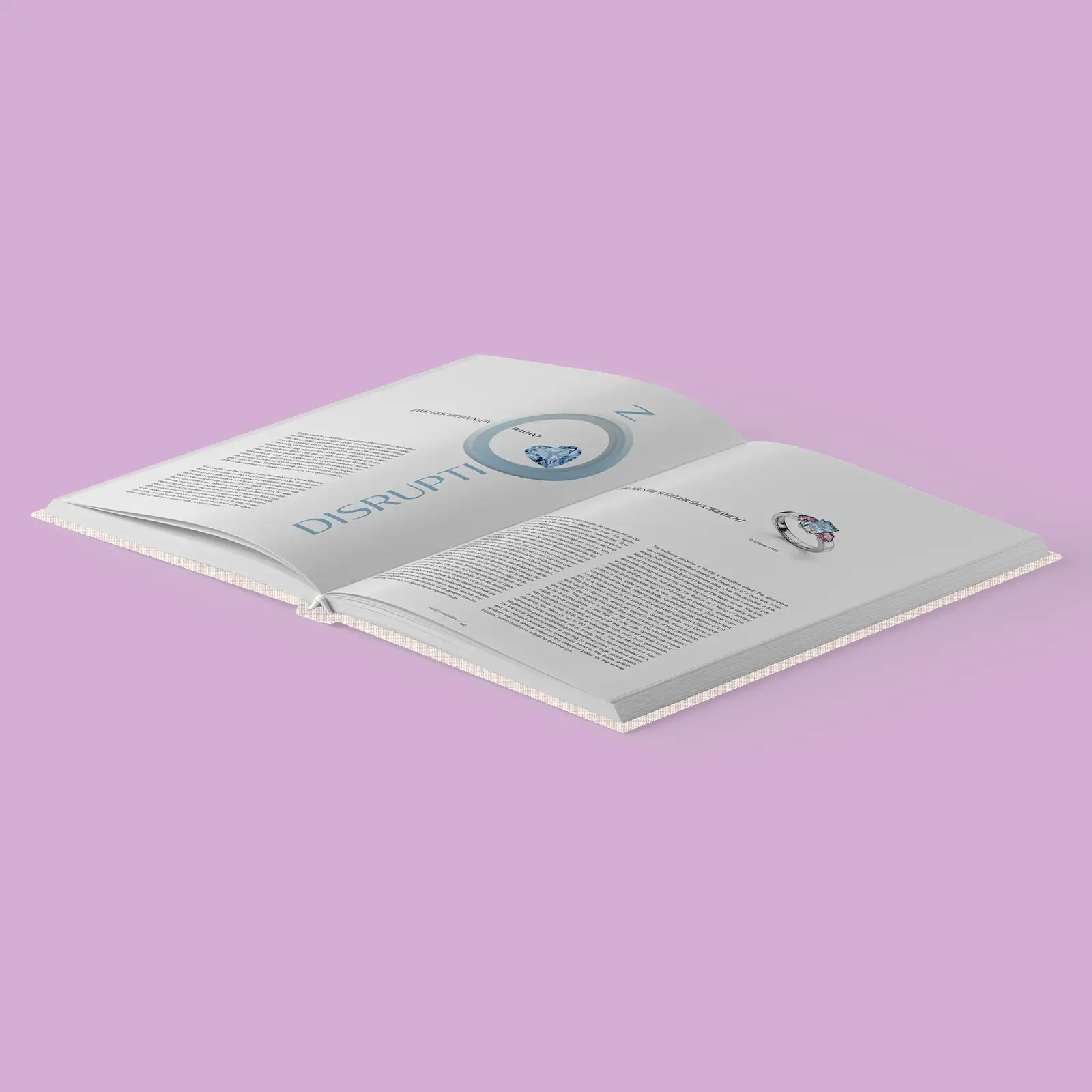
The technical progress is having a disruptive effect: the alternative way of diamond formation marks the beginning of a new era, challenging both industry and consumers alike. Over the decades, a few large corporations have dictated the trade in diamonds – over 80 per cent of the world market lay in the hands of De Beers alone. The sale and price strategy was not only driven by the promise of a value that would last generations, but also by the illusion of it being of limited availability and the exclusivity of it being an individual, unique piece – entirely understandable for a rare, natural product. This new competition is now, quite unexpectedly, turning the market development completely on its head. What is being grown in the laboratories of US companies such as Diamond Foundry and WD Lab Grown Diamonds and on a larger scale in the production halls of India and China is taking the previous structures as its basis. Suddenly, there is an endless supply of diamonds, which are equal in terms of their perfection. Suddenly, the scarcity that made the stone a luxury item doesn’t exist any more. This change is having a big impact: the market is reacting by dropping prices – and that not only with synthetically-made supply, whose growth is increasing all the time and whose production is getting more efficient and cheaper with every new generation of technology; since 2018, the wholesale price for laboratory-grown diamonds has fallen by up to 90 per cent. The natural stone has not escaped this earthquake either. It may have been regarded as a tangible crisis-proof asset during the pandemic years; however, today the impact of the competition is starting to show: high stock levels and low demand describe the downward trend in the trade, which analysts say has already reached the inflection point for the whole industry, which must now adjust to this change.
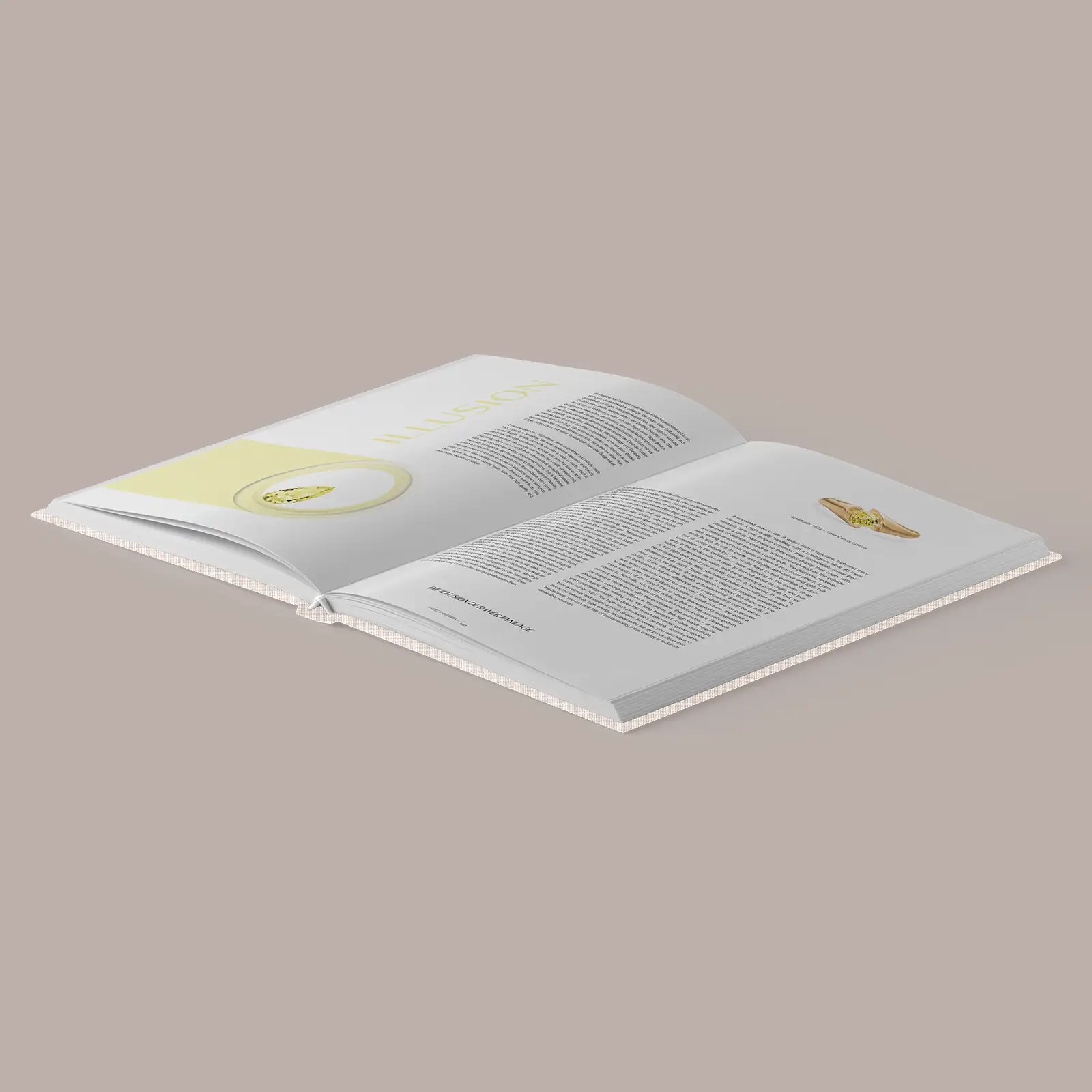
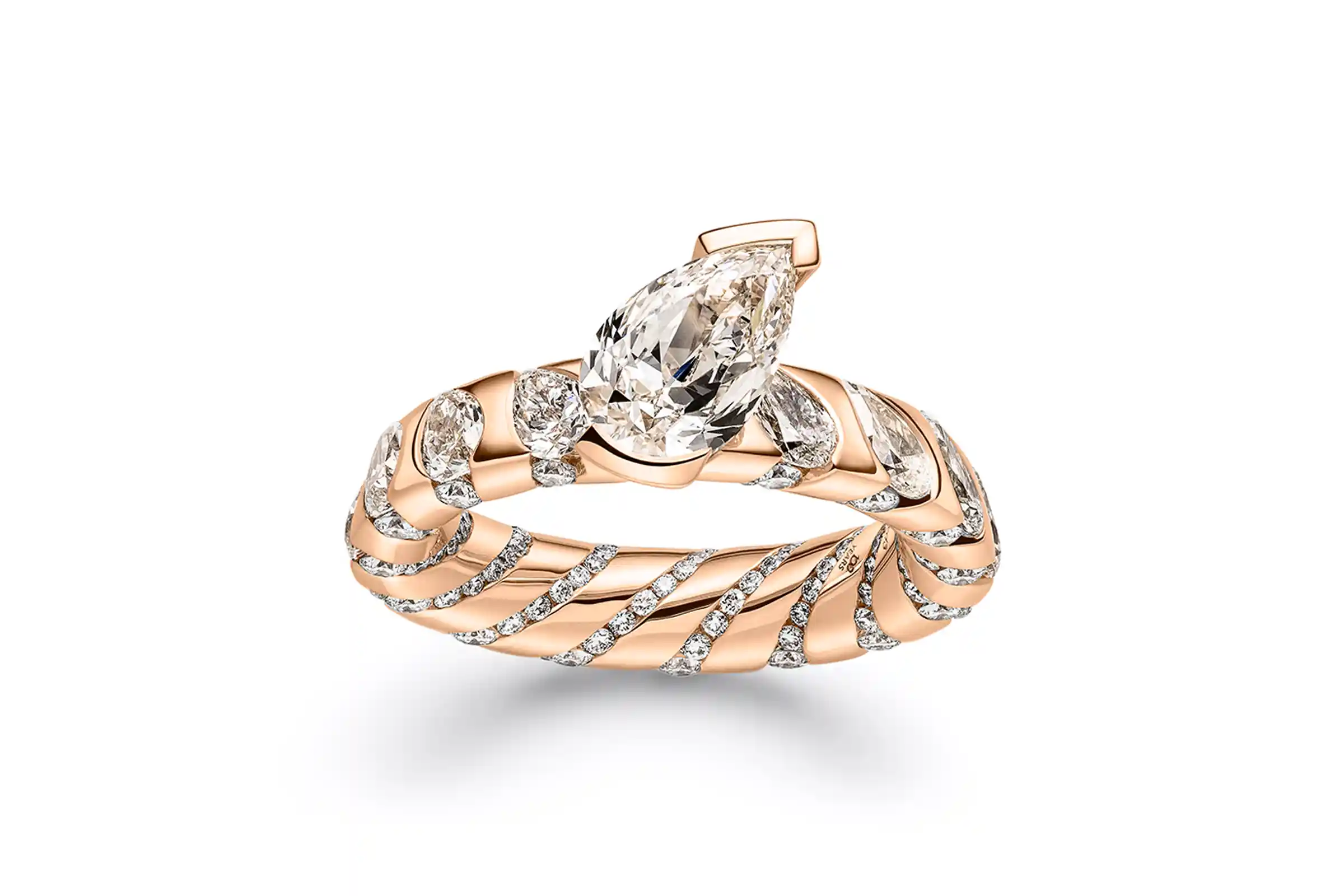
A natural diamond. High-carat, perfectly polished and skilfully made into a piece of jewellery. We wear expensive exclusivity and beauty on our fingers, wrists and neck, but also a sense of worth, which is confirmed through certification. Anyone who sees the sale as an investment so they can one day sell the item for a profit will realise that this rarely works out – if at all, then with individual, exceptional pieces with rare colouring and a long, documented history. This is because the costs for logistics, reports, processing, trade margins and advice, which contribute to setting the price for the first purchase, don’t come into play when it is sold on. In no way do laboratory-grown diamonds claim to be a value-adding investment – they just want to do one thing: adorn the person wearing them. With their high quality and maximum freedom of design.
A renowned make of car. A watch from a reputable high-end manufacturer. A high-quality handbag with a prestigious label. All these products have one thing in common: they immediately reveal their status as a luxury item because they visibly display their origin: with the mark of distinctive branding, which you can read on the outside and notice as soon as you take a quick look. The diamond, however, says nothing about what makes it different from most others. It presents its size, its cut, its purity and its play with colour and light, but not its actual biography. You would have to first examine the documentation in the certificate – laser engraving in the rondist or an entry in the blockchain – in order to find out about its origin and true history. This knowledge exists and transparency is possible, but not at first sight and only if you actively look for it. However, in order to be considered a luxury item, you need a public who will perceive and understand it as such. These days, a diamond requires something new: trust in the silence. An appreciation – without the stage and the public. At the same time, there’s a fundamental question to ask: If it’s impossible to tell the difference and a reproduction can be exclusive, which diamond would we choose? And what are we prepared to spend, when the one diamond costs a small fortune, the other a mere fraction of the price? This is where the keyword sustainability comes in. Normally, you would attribute this to the naturally-grown product, which carries a piece of the Earth’s history inside it. However, the massive interference with the landscape, the extreme – at times inhumane – working conditions in the mines, the high water requirements during their mining and the long transport routes constitute valid counterarguments. So does this mean laboratory-grown stones come out on top? The high-tech production certainly scores points from an ethical and logistical point of view. However, you also have to throw the extremely high energy requirements for its production into the balance. You can only talk of sustainability if this energy is fed from renewable sources.
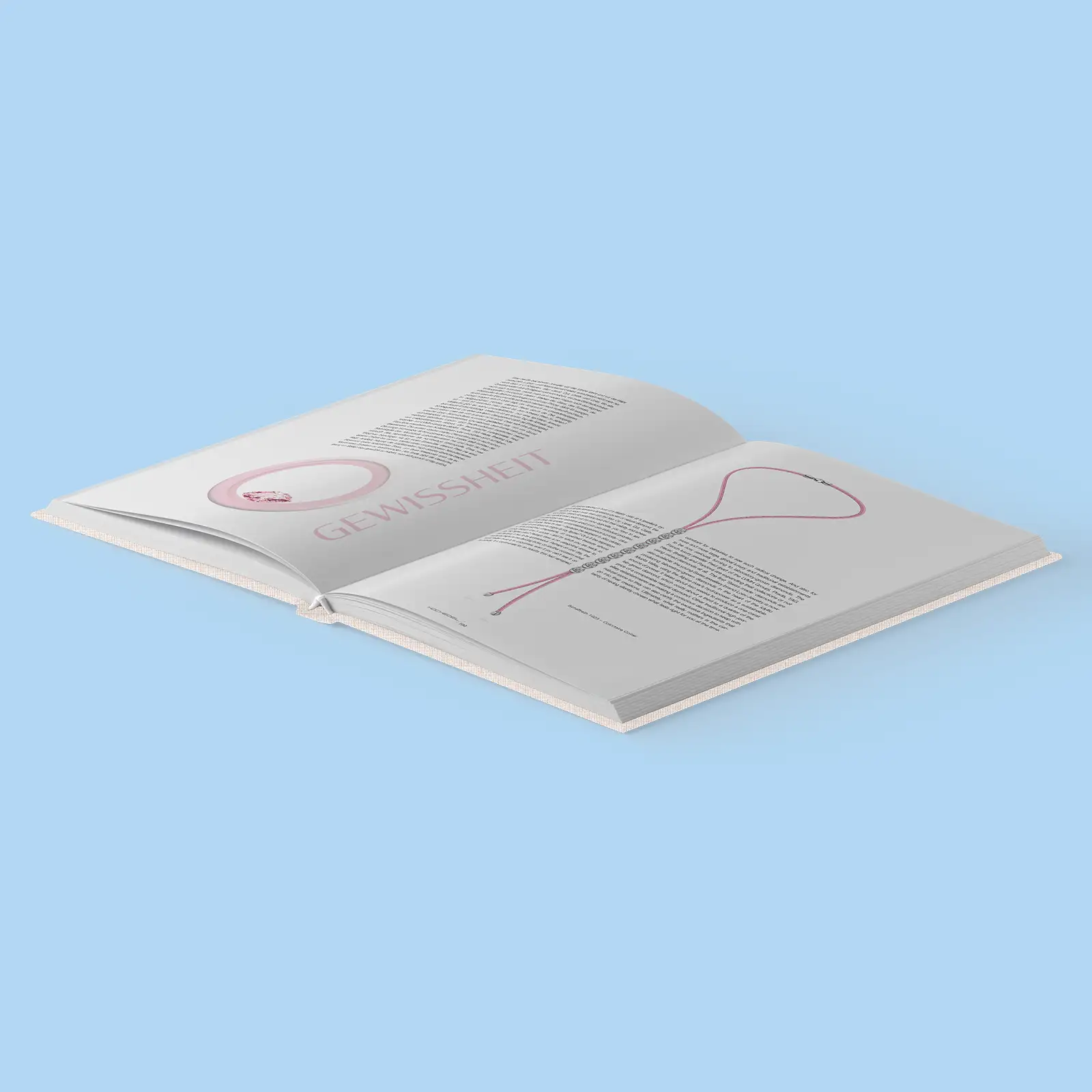
For anyone standing in front of a display case at a jeweller’s trying to decide between a laboratory-grown or natural diamond, the decision is about more than just the four Cs: Carat, Cut, Clarity and Colour. Where old certainties have lost their validity and where two identical ones could not be more opposite, you have to ask yourself some new questions about your own individual priorities: Is the shine, the sparkle, an impressive appearance a priority – plus the principle ‘More for less’ – because the recipient is also certain never to ask about its origins or key figures? Or is it the aspiration to have something unrepeatable, an unearthed treasure whose journey through time is unique – and for which you are ready to pay the higher price? Perhaps there is no categorical answer to this decision; it has to be spontaneous. Perhaps on one day, the aesthetics might be the deciding factor, on another occasion what would matter most is its uniqueness, even if you can’t see it on the outside. It is controversial for an industry that had remained constant for centuries to see such radical change. And also for more and more large, global luxury and traditional establishments to be now seriously turning to laboratory-grown diamonds. The French luxury jeweller Fred (part of the LVMH Group), Prada, TAG Heuer, Breitling and Pandora are expanding their collections or not using mined diamonds at all. The first ‘Swiss made’ diamonds are also available: the young Swiss jewellery brand Loev Jewelry is now producing laboratory-grown diamonds in the heart of the idyllic Muota Valley, using the Alpine river’s hydropower as a sustainable source of power. It takes about two weeks to produce a one-carat lab-grown diamond, which costs about a third to a quarter of the price of a comparable natural diamond. Other traditional high-jewellery establishments are making a conscious decision to keep with natural stone so they can also certify the exclusive ingredients that go into their creations. Ultimately, what really matters is the certainty of having silently chosen what feels right for you at the time.
The fascination of a diamond continues unabated. Its stellar beauty and mystical sparkle give it an unwavering magic. Its value may change, evolving from a raw material to its final appearance, from its essence to the demand the individual puts on it. But even when the implicitness of exclusivity and the limitation that has been taken as a given up until now is lost, it continues to be a symbol of love, of permanence and of appreciation. The choice between natural and laboratory-grown diamonds becomes a decision less about the stone and more about your own attitude towards its background, its origins and its visibility. And perhaps also about realising that it was never about the materiality of the diamond, but about its perfection in a piece of jewellery and the meaning attributed to it by the person giving it and the person receiving it. In silence.